

Ocean Chaos Strike frames a turbulent sea hunt through targets, weapons and reward rhythm. Its appeal sits in readable chaos rather than empty noise. This article is written for 57v players, to help them understand creature roles and strike pacing, aiming for cleaner session judgment before play.
Marine creature system in Ocean Chaos Strike
A sea target system feels strongest when each creature carries a distinct reading value. Movement speed, screen position and hit response shape the rhythm before any reward appears.
Small fish schools in Ocean Chaos Strike keep safe points
Small fish usually move across the screen in tight groups with a steady direction. Their low value makes them useful for rhythm reading during early rounds with less risk. A player can observe how shots land against these groups before shifting attention toward larger targets with heavier defense and slower movement patterns later.
The safest points often come from repeated contact rather than sudden high damage. Schools help build a clearer sense of weapon spread because several bodies cross the same area. That pattern keeps the screen active while reducing the pressure created by rare creatures, fast boss movement and sudden visual effects during close review.
A calm approach treats small fish as timing markers across the sea field. Their steady motion can reveal whether the chosen cannon level feels too heavy or too weak. This role matters because controlled pacing protects the point base before a more complex strike phase begins later in the round cycle ahead safely.

Golden sea turtle contains a large reward core
A golden sea turtle should feel slower than basic fish while still requiring careful aim. Its shell creates a sense of weight because several shots may be needed before settlement. In Ocean Chaos Strike, this creature can serve as a middle target between safe collection and high pressure pursuit during longer sea patterns.
The reward core feels larger because the turtle usually appears with more visual emphasis. Its movement can pass through crowded space which creates a choice between focus and restraint. Shooting without reading nearby targets may waste energy when the turtle leaves the screen before enough hits connect during a brief scoring window again.
Stable tracking matters more than rapid tapping during this creature phase. A player gains clearer value by following its route and adjusting shot strength before it exits. That patient rhythm helps separate a serious reward attempt from random fire across a busy sea layout with many competing targets nearby during active play.
Bomb crab blast clears many targets together
A bomb crab changes the screen because its value is tied to area impact. The target can sit near moving groups before the blast creates wider settlement. This creature adds tactical weight to Ocean Chaos Strike because one confirmed strike may affect several smaller targets at once during crowded attack lanes nearby.
View more: Neon Marine Raid – Undersea Firepower Target Control
The best reading comes from its position rather than its color alone. A crab near empty water has less practical value than one placed near moving schools. Careful timing lets the blast connect with clustered targets without turning the round into careless shot spending during a high speed screen phase nearby.
Blast logic also supports cleaner screen control when movement becomes crowded. A well timed hit can reduce visual noise and reset the field for later targets. This makes the crab useful for players who prefer measured bursts over constant cannon pressure during chaotic sea waves with limited room for correction.
Ocean beast boss activates a giant jackpot
A boss monster should feel different from every regular sea creature on screen. Its size, slower entry and stronger defense create a separate phase inside the round. In Ocean Chaos Strike, the boss works as a high focus target because jackpot status requires clear activation before settlement appears on screen.
A giant jackpot should never be read as guaranteed just because the monster arrives. The system may require enough confirmed hits or a special trigger before the prize state changes. This keeps the boss encounter grounded in visible progress instead of pure animation, dramatic sound or oversized reward text during active play.
Strong boss play depends on patience through the full appearance window. Chasing the monster too late can drain the point base with little return. A steadier method follows its path, checks remaining time and treats every cannon upgrade as a cost decision before the final strike attempt lands cleanly on target.
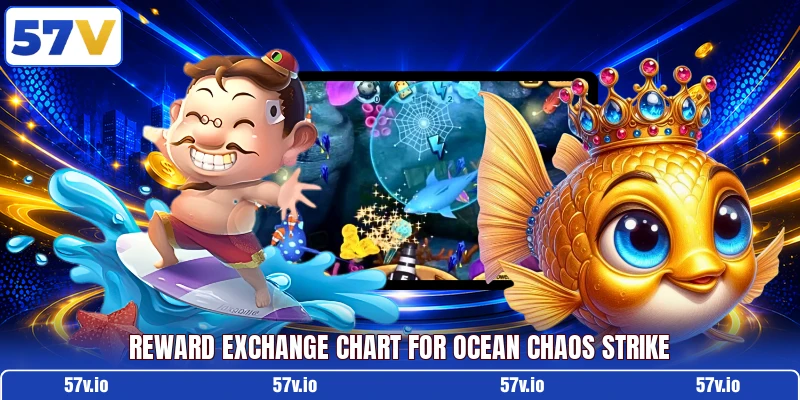
Reward conversion table in Ocean Chaos Strike
Reward exchange should stay readable from the first shot to the final result. In Ocean Chaos Strike, the table works best when creature class and weapon level remain separate. The sample figures below use USD values only for simple comparison across target groups, settlement stages and recorded final balance.
- Small fish: 1 to 3 points may convert near USD 0.01 to USD 0.03 when basic cannon levels confirm clean hits.
- Medium creature: 8 to 20 points may convert near USD 0.08 to USD 0.20 when defense is moderate.
- Golden turtle: 60 to 120 points may convert near USD 0.60 to USD 1.20 after repeated hits reach settlement.
- Bomb crab: 35 base points may create extra value when its blast clears at least 5 nearby minor targets.
Advanced weapon list in Ocean Chaos Strike
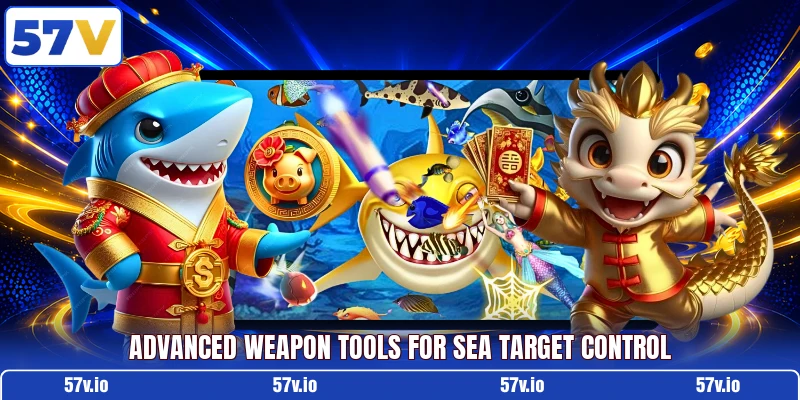
Weapon choice changes how the sea field reacts to pressure across each round. In Ocean Chaos Strike, each cannon type should match target density, movement speed plus remaining point reserve. A controlled weapon list helps separate planned strikes from noisy firing that only follows animation across the screen during crowded waves.
- Standard cannon: A low cost weapon suits small fish schools because its steady fire supports reading without heavy point drain.
- Pierce cannon: A straight shot line helps against creatures moving behind groups when screen space becomes tight.
- Spread cannon: A wider arc supports crowded waves because several minor targets can receive pressure during the same firing cycle.
- Freeze pulse: A short delay effect can slow target motion long enough for stronger weapons to connect with better accuracy.
View more Category: Fish
Conclusion
Ocean Chaos Strike works best when sea creatures, weapon cost and reward rhythm stay easy to read. Clear target roles help each round feel structured without turning the hunt into blind pressure. For 57v play, create an account with a calm plan and good luck.
