
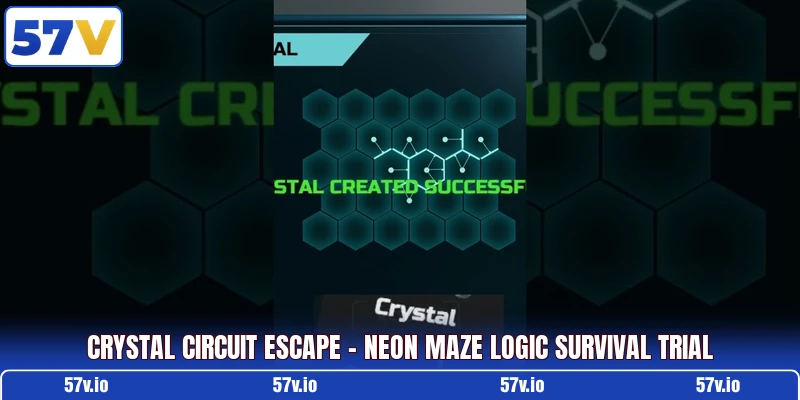
Crystal Circuit Escape frames a neon maze around timing, route memory, plus crystal control. Each room feels tense because every turn can change the plan. This article is written for arcade puzzle players at 57v to help them understand maze timing around this title aimed at cleaner route choices.
Puzzle maze mechanism in Crystal Circuit Escape
The maze works through linked paths that react to movement speed, gate order, plus crystal contact. A safe route may shift once a wrong panel receives pressure from the character. This structure keeps the puzzle focused on reading space rather than rushing through every corridor without checking the next signal.
Each room usually begins with a visible exit, yet the direct line rarely stays open for long. Crystal Circuit Escape uses circuit tiles to connect doors with switches, so a short step can change several paths at once. Careful movement matters because a late turn may waste time before the timer reaches its warning phase.
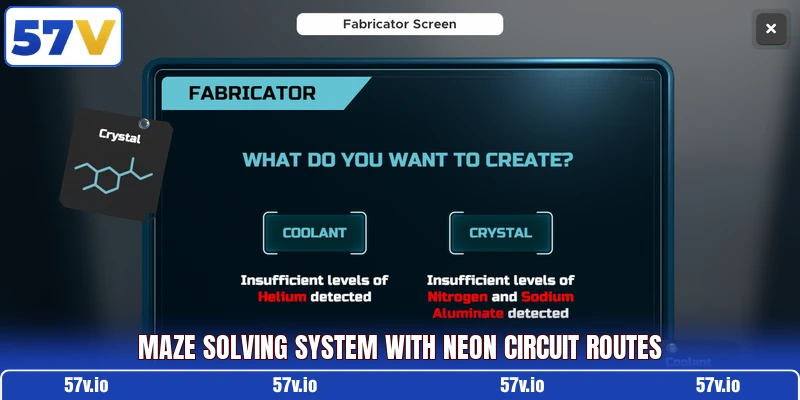
Energy crystal types in Crystal Circuit Escape
Crystal behavior gives the maze a second layer beyond simple pathfinding. Each color changes the pace of escape through pressure, timing, or score control.
Red crystal adds more survival time
Red crystals are tied to survival timing because they extend the active escape window after contact. A player who reaches one late can recover from earlier route mistakes without losing the full run. The value stays practical because extra seconds still require smart movement through the next blocked section.
Timing support from Crystal Circuit Escape feels strongest when the red crystal appears near a risky bend. Its effect should be treated as breathing room rather than a reason to wander without purpose. Stronger runs use the added seconds to correct route order, avoid traps, plus reach the next trigger safely.
A red crystal also changes how pressure feels during the final quarter of a stage. The timer may remain strict, yet the route becomes less frantic after a precise pickup. This detail makes survival more about controlled recovery than blind speed across a maze full of shifting circuit gates.
Blue crystal doors in Crystal Circuit Escape
Blue crystals usually affect sealed doors that block progress through the central route. Their role is direct, yet the best pickup order still depends on nearby switches. A locked gate can become useful once opened because it may shorten the path toward a timer crystal or score zone.
The blue crystal often appears beside side corridors where the route looks slower at first. Entering that space can feel risky because the main path remains visible nearby. The reward comes later when a closed door opens from behind, creating a cleaner line through the next chamber.
View more: Storm Arcade Mission – Storm Trials With Sharp Arcade Flow
Door control also helps separate planned movement from random wandering. A blue crystal can unlock one gate while leaving another untouched, so visual reading stays important. The player must notice symbol marks near each panel because similar doors may depend on different crystal charges inside the same stage.
Yellow gem block gives a large score multiplier
Yellow gem blocks connect route skill with scoring pressure. They do not always help escape directly, yet they can raise the value of clean movement through a room. The best use appears when the path is already stable because chasing score during panic can break the planned route.
A score chain in Crystal Circuit Escape often grows when yellow blocks are collected before mistake counters rise. This design rewards patient reading because the multiplier feels earned through order, not luck alone. Strong runs usually collect the block after opening a safe route toward the next required circuit point.
Yellow blocks can also change risk assessment near optional corners. A short detour may become worthwhile when the timer is healthy and trap lanes stay inactive. Poor timing turns the same detour into a costly choice, which shows why score gain should follow route control rather than replace it.
Purple magic stone destroys every trap
Purple stones serve as the strongest trap response because they clear dangerous objects from the active route. Their effect can turn a blocked passage into a safer lane within moments. The stone feels rare because full trap removal would weaken the maze if it appeared too often.
Trap removal in Crystal Circuit Escape works best when saved for crowded sections near the final exit. Early use may feel comfortable, yet later chambers can become harder without that protection. A careful player watches spike panels, laser pulses, plus falling blocks before deciding when the purple charge deserves use.
The purple stone also supports cleaner learning across repeated attempts. Once a trap cluster disappears, the route becomes easier to study without sudden failure. That memory can help in later stages because similar hazard patterns may return with faster timing, narrower space, or fewer recovery items.
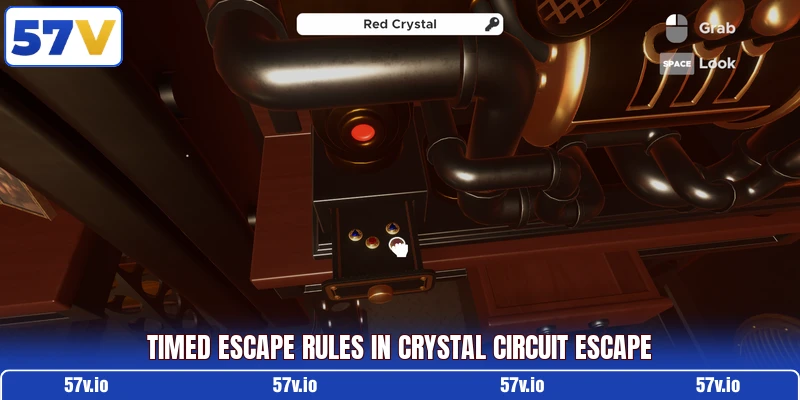
Escape time rules in Crystal Circuit Escape
Time rules connect every maze choice with visible pressure from the countdown. Crystal Circuit Escape keeps this pressure readable through stage clocks, survival items, plus warning signals. A clear grasp of the rule set helps each route feel planned rather than rushed.
- Base timer: Each stage may begin with 90 seconds, while larger maze maps can raise the limit to 120 seconds for longer route checks
- Warning phase: The screen may pulse during the final 20 seconds, which signals that detours should stop unless escape remains blocked
- Time crystal value: A red crystal can add 10 to 15 seconds, depending on stage level and remaining route difficulty
- Penalty trigger: Touching a trap may remove 5 seconds, so repeated mistakes can drain a safe timer faster than poor navigation
- Pause limit: Menu pauses may be capped at 3 uses per run, which keeps timing pressure active during puzzle solving
- Exit bonus: Finishing with more than 30 seconds left can create a bonus score layer, yet survival still matters before score pursuit
View more Category: Arcade
Conclusion
Crystal Circuit Escape works best when route memory, crystal order, plus timer control stay balanced. The maze feels fair because each color supports a different decision without removing pressure from the escape path. 57v players who enjoy puzzle pacing can create account access, then follow each room with steady focus.
