Category: Arcade

Arcade 57v – Sharp Game Flow For Cleaner Session Reading Plan

Arcade play feels direct because each round asks for timing, screen reading, and measured action. Short sessions can still reveal rhythm, risk, and reward shape. This article is written for 57v game visitors, to help them understand fast play halls clearly, aiming to build steadier session judgment.

Why the arcade section attracts more attention than other sections

Fast game sections attract attention because they make rules visible in a short time. The pace supports quick reading while still leaving room for careful choices. A balanced arcade section feels different from slower categories because movement, timing, and result checking stay close together.

  • Short round flow: Each session can finish quickly, so the player can review mistakes before focus begins to fade.
  • Clear screen action: Visual movement gives immediate signals, which makes target choice easier to compare after each result.
  • Flexible cost control: Smaller rounds can be managed with steady limits, so sudden pressure does not control the session.
  • Varied rhythm: Speed changes keep the screen active, yet the best decisions still come from calm observation.
  • Simple result reading: Wins and missed actions appear through direct screen feedback, which makes later review more practical.

Why fast game halls hold more attention

Game types highlighted in the arcade hall at 57v

Game selection works best when each title has a clear pace and visual purpose. A focused layout helps different play moods stay separate without making the hall feel scattered.

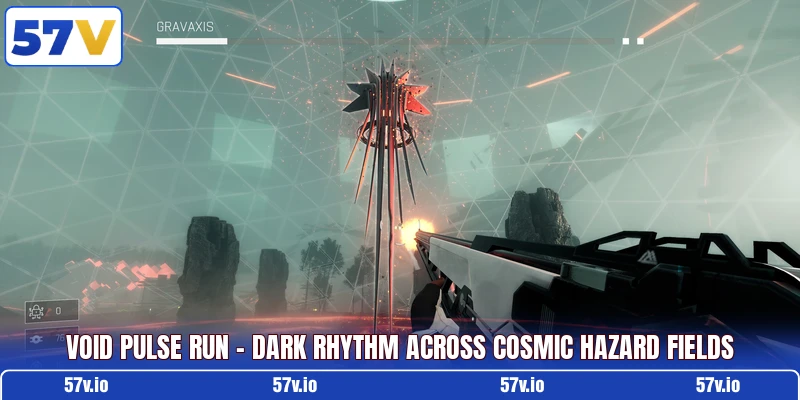
Void Pulse Run

Void Pulse Run works around narrow timing lanes where movement feels simple at first glance. The screen often rewards patient aiming because rushing can break rhythm before a clear target path appears. A steady pace helps each round stay readable even when pulse effects begin changing speed across later targets in view with clearer timing control.

Each route feels stronger when the player watches direction before spending stronger shots. The safest reading often starts from the outer lane because central movement can shift after a sudden pulse. This pattern keeps the round from turning into blind tapping during a busy wave with less wasted pressure over time through the full round.

Reward checks should follow visible results rather than guesswork after the screen settles. A missed target can still teach useful timing because its route shows when pressure became too high. Careful review after each short run makes later choices feel less random during another fast session cycle for play without forcing the pace now.

Crystal Circuit Escape

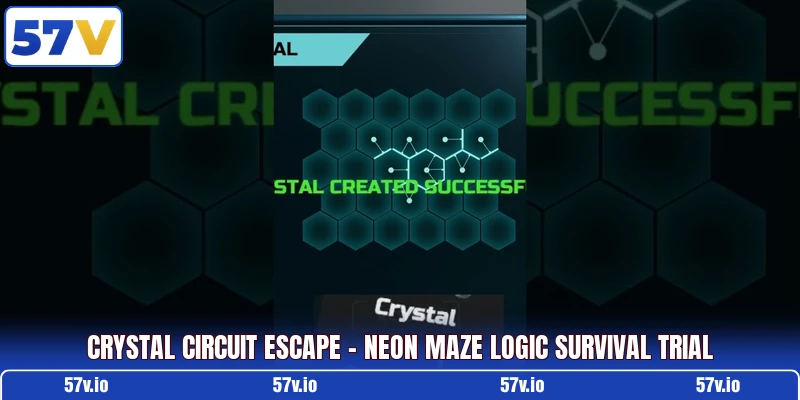
Crystal Circuit Escape uses glowing paths that can confuse timing when several marks overlap. A clean arcade reading starts with route order before any stronger action is taken. This helps the player separate decorative motion from the actual lane that controls reward movement during quick escape turns on screen with calmer visual judgment.

Short escape rounds can feel fast because targets leave the screen before full planning feels possible. The best approach is to treat each circuit turn as a signal rather than a decoration. A calm shot pattern protects the session from spending too much on unclear movement during crowded route changes ahead before the next turn.

Scoring should be checked after the route closes because some results appear later than expected. A circuit may look complete while the reward still depends on final contact timing. This habit keeps the player focused on confirmed records instead of screen noise after each short escape path closes when the round ends clearly.

Highlighted arcade hall groups at play

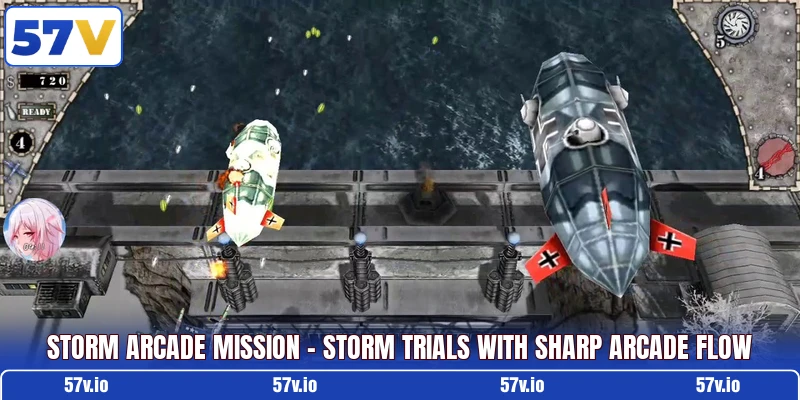
Storm Arcade Mission

This game leans on pressure waves where target speed can rise without warning. The arcade style becomes more readable when each wave is treated as a separate task. A player can slow decisions by watching the first movement before choosing shot strength during heavy mission pressure on screen with better screen control.

Mission rounds often feel tense because several targets cross the same space at once. Clear aim matters more than constant action when storm effects cover weak visual clues. A short pause after each missed mark can reveal whether timing or target choice caused the loss during crowded screen moments inside the same short round.

Result review should include wave order because later targets may have different value behavior. Some missions reward steady control across the full screen instead of sudden high cost shots. This makes the round easier to evaluate after motion fades and final records become easier to read later after the final wave clearly now.

Arc Pixel Quest

Arc Pixel Quest feels lighter in tone because its visual style uses simple blocks and sharp paths. The arcade rhythm still needs careful reading because small pixel movement can hide late turns. Stable timing matters when several icons change direction near the edge during tighter quest sequences in view with steadier session control.

Quest rounds often work best when the player follows one path instead of chasing every moving mark. A fixed focus keeps the screen cleaner during crowded moments. This method also reduces mistakes caused by switching targets before any route becomes certain near the closing seconds of play without breaking visual focus during play.

Reward notes should match the visible path because pixel effects can make weak hits look stronger. A confirmed result matters more than a bright animation after the round ends. Careful tracking builds a clearer sense of which routes deserve more attention during later quest attempts in play after the final route with care.

Unbeaten habits for playing arcade at 57v

Strong habits matter because fast games can punish rushed choices within a few seconds. Better control begins with rhythm, limit awareness, and honest result review after every short session.

  • Start with observation: Watch the first cycle before spending higher cost because early movement usually reveals the safest rhythm.
  • Keep cost stable: A steady arcade plan prevents sudden jumps that can distort judgment during pressure moments.
  • Read one target lane: Following a single route reduces confusion when several icons cross the same part of the screen.
  • Pause after misses: Short breaks help separate timing errors from poor target selection before the next round begins.
  • Review confirmed results: Final records matter more than bright effects because screen animation can make weak hits look larger.

Stronger habits for steady game control

Conclusion

A good arcade session is built from timing, cost control, and careful screen reading. Fast rounds should feel clear enough to review after every result. At 57v, create an account only when the rules feel readable and the pace suits personal control.
  • Iron Rift Arena – Tactical Weapon Rules And Arena Ranking

    Iron Rift Arena – Tactical Weapon Rules And Arena Ranking

    Iron Rift Arena frames steel combat through weapon timing, arena pressure, plus ranked outcomes. Its appeal sits in sharp decisions rather than loud effects. This article is written for arena game fans at 57v, to help them understand rift combat structure, aimed at steadier match reading.

    Weapon attack categories in Iron Rift Arena

    Weapon identity shapes every clash before the first strike lands inside a heavy arena setting. A strong loadout feels clearer when range, timing, pressure, plus defensive risk stay balanced.

    Light blade with extreme close range damage

    A light blade creates pressure through short movement, fast cuts, plus direct contact near the target. Its value rises when a fighter reads distance before rushing into danger. In Iron Rift Arena, this weapon rewards patience because careless entry can leave the user open after a missed swing.

    Close range damage depends on rhythm more than raw speed during a crowded fight. A clean strike works best after the opponent wastes movement or turns toward another threat. The blade user needs steady footwork because sudden overextension can break spacing, reduce control, plus invite a counter from heavier weapons.

    The strongest blade pattern uses small steps before a decisive hit at the correct angle. This keeps pressure active without turning each approach into a blind charge. When the arena narrows, the light blade becomes more dangerous because walls reduce escape paths while close contact becomes easier to force.

    Electromagnetic rifle reach in Iron Rift Arena

    An electromagnetic rifle controls distance through piercing shots that travel across open lanes. Its main strength appears when several targets line up during movement or retreat. The user must read direction carefully because a wasted shot can create empty space where pressure should have stayed active.

    Long range fire changes the pace of battle because opponents must respect straight shooting paths. A sharp angle can punish stacked movement near metal cover or narrow exits. In this role, the rifle favors measured timing over constant firing because each shot should shape movement before damage becomes visible.

    The rifle becomes harder to handle when the arena turns chaotic near the center. Fast opponents can break sightlines by shifting behind cover or forcing close contact. A calm user protects distance first, then chooses shots that pass through clustered targets without losing awareness of side threats.

    Weapon classes inside Iron Rift Arena battles
    Weapon classes inside Iron Rift Arena battles

    Energy shield that blocks incoming attacks

    An energy shield gives defensive control when attacks arrive from several directions at once. It helps slow the pace while the user studies movement around the arena. In Iron Rift Arena, the shield works best as a timing tool rather than a permanent hiding place during pressure.

    Blocking every attack sounds simple, but shield value still depends on angle, charge, plus recovery. A poor stance can waste protection while leaving the user trapped near a corner. Strong defense requires small movement after each block so incoming pressure does not turn into a full surround.

    The shield also supports counterplay when opponents spend too much force against the barrier. After absorbing pressure, the user can step into safer space or set up a teammate style attack pattern. This makes the shield useful for survival, but its power drops when timing becomes passive.

    Magnetic bomb that disables enemy systems

    A magnetic bomb creates disruption by interrupting hostile systems before direct damage takes over. Its impact becomes clear when movement tools, shields, or firing patterns stop at the wrong moment. In Iron Rift Arena, this weapon suits planned pressure because random throws often waste its strongest control effect.

    Placement matters because the bomb controls space before it changes the fight outcome. A well timed throw can split a group or force one target into a weak path. The user should avoid predictable launches since alert opponents can move early, bait the throw, then punish the recovery window.

    This weapon feels strongest when combined with clear reading of arena flow. It does not need constant use because one accurate disable can shift control across a full exchange. After the system break lands, fast follow up matters because delayed action gives enemies time to reset their tools.

    Win loss rules in Iron Rift Arena

    Match results need stable rules because arena combat can become unclear during fast exchanges. Iron Rift Arena separates victory through survival status, system control, plus confirmed scoring records. These rules keep each result easier to review when attacks, blocks, disables, plus ranked pressure happen together.

    • Final standing: The last active fighter receives the win when all other entries lose combat status through confirmed arena conditions.
    • System shutdown: A fighter can lose when core functions stop responding long enough for the match record to confirm defeat.
    • Score lead: Timed rounds can end through a higher verified score when no complete elimination happens before the clock stops.
    • Rule breach: Unsafe movement outside the permitted arena boundary can trigger defeat when the official match record confirms the breach.
    • Review record: Every result should match the final log so damage, disable time, plus survival status remain traceable.

    Win loss standards for steel arena matches
    Win loss standards for steel arena matches

    Arena ranking system in Iron Rift Arena

    Ranking turns repeated matches into a clearer measure of arena strength over time. Iron Rift Arena uses results, consistency, plus match quality to separate short streaks from real progress. A fair ladder should value clean wins while still reading loss patterns with enough context.

    • Entry tier: New fighters begin in a lower bracket so early results can measure basic control before stronger opponents appear.
    • Promotion mark: A fighter moves upward after several verified wins that show stable weapon use across different match conditions.
    • Demotion risk: Repeated losses against similar ranks can lower standing when the record shows weak recovery or poor system control.
    • Streak value: Consecutive wins can raise ladder speed, but only when match quality supports the result record.
    • Seasonal reset: A fresh cycle can adjust ranks so old results do not control the arena ladder for too long.

    Ranked arena progress through measured combat
    Ranked arena progress through measured combat

    Conclusion

    Iron Rift Arena works best when its weapons, result rules, plus ranking logic are read as one connected arena structure. Each system supports cleaner judgment because combat power alone cannot explain every outcome. Create an account at 57v with a calm mindset, then follow each match carefully.

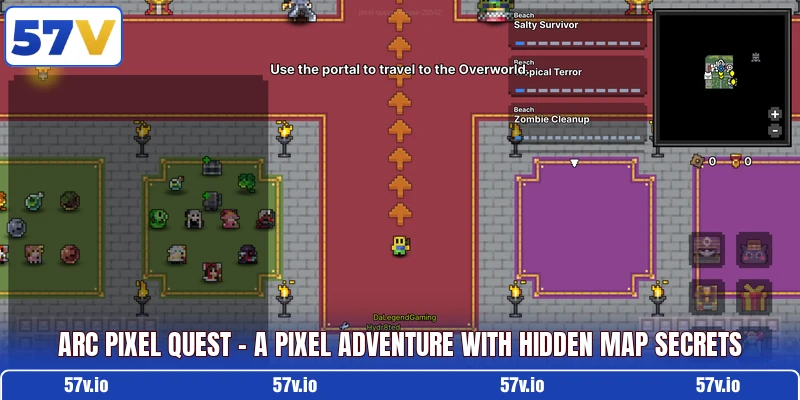
  • Arc Pixel Quest – A Pixel Adventure With Hidden Map Secrets

    Arc Pixel Quest – A Pixel Adventure With Hidden Map Secrets

    Arc Pixel Quest turns pixel movement into a sharp quest built around maps, timing, secret routes, plus steady upgrades. The game feels simple at first, yet each area asks for patient reading before progress. This article is written for arcade game readers at 57v, to help people understand its map logic, aimed at cleaner stage control.

    Why Arc Pixel Quest stays popular

    The appeal of Arc Pixel Quest comes from its direct rhythm, compact scenes, plus clear action cues. Each stage gives enough space to read danger without making the route feel empty or slow. This balance helps the quest stay easy to follow while still leaving room for skill.

    • Clean pixel style: The visual layout keeps routes readable while small details help each stage feel distinct without heavy decoration.
    • Tight movement rhythm: Jump timing, turn control, plus attack response create a steady pace that rewards careful hands.
    • Map-based curiosity: Hidden paths, locked corners, plus strange markers make each area feel worth checking before moving forward.
    • Balanced challenge: The game can punish careless moves, yet most mistakes feel readable after a short review.
    • Upgrade purpose: New gear changes movement, damage, or survival in clear ways so progress feels connected to play.

    Why Arc Pixel Quest remains widely liked
    Why Arc Pixel Quest remains widely liked

    Explore the map areas of Arc Pixel Quest 57v

    Each map area builds its own mood through terrain pressure, enemy placement, plus route shape. A strong reading of space helps every stage feel less random during longer runs.

    Magical jungle in Arc Pixel Quest with small monsters

    The magical jungle begins with soft colors, broken roots, glowing plants, plus narrow ground gaps. Small monsters appear near bushes or under branch shadows, so movement needs careful checking before each step. The area teaches early rhythm through short jumps, light attacks, plus quick stops near hidden corners.

    Enemy behavior in this zone feels playful at first, yet it can punish rushed movement. Tiny creatures often move in curved paths, which makes straight running less safe across uneven ground. A steady player reads grass movement, sound cues, plus open space before choosing a cleaner route forward.

    Secret items often sit behind leaves, raised roots, or weak-looking wooden walls. The jungle rewards slow inspection because many paths look decorative before the correct angle becomes clear. This early zone builds confidence while preparing the player for maps that demand stronger timing later.

    Lava caves that test long jump control

    The lava cave changes the mood with tight platforms, orange light, falling rocks, plus sudden heat vents. In Arc Pixel Quest, lava caves ask for longer jump commitment because hesitation can break landing rhythm. Each crossing feels sharper when the player watches platform distance before pressing forward.

    Moving flames create pressure that does not rely on speed alone. Some gaps require a jump after the flame lowers, while others need early movement before the ground shakes. This structure keeps the cave tense without turning every mistake into a confusing moment.

    Useful rewards often appear close to dangerous routes, so risk reading becomes part of progress. A chest may sit beyond a heated bridge or near a wall that drops after impact. The cave feels fair when movement stays measured, since most hazards give a small warning before damage.

    Map zones shaped around pixel adventure
    Map zones shaped around pixel adventure

    Dark tower where the final boss lives

    The dark tower feels colder, taller, plus more severe than earlier stages. A late tower in Arc Pixel Quest often uses narrow stairs, moving shadows, plus guarded rooms to slow careless progress. This place works as a test of memory because repeated patterns begin to matter more.

    Common enemies become tougher inside the tower, while traps appear closer to doorways. A player may need to pause before entering a room because the first step can trigger hidden movement. Careful pacing keeps the route stable when vertical travel starts mixing with enemy pressure.

    The final boss area should feel earned rather than sudden. Earlier tower rooms teach dodge timing, attack distance, plus safe recovery space before the main fight begins. When those lessons connect, the last battle becomes a clear skill check instead of a random wall.

    Abandoned city filled with countless treasure chests

    The abandoned city creates a different kind of tension through silence, broken streets, locked shops, plus ruined towers. Arc Pixel Quest uses the abandoned city to slow the pace after harsher combat areas. Treasure chests appear often, yet many require smart route choices before they can be reached.

    Some chests contain simple supplies, while others point toward upgrade materials or rare stage tools. The city makes searching feel meaningful because a missed alley can hide a shortcut or stronger item. This design keeps exploration active without forcing every corner to feel equally important.

    Enemies in this area often hide inside buildings, near carts, or behind damaged walls. Their placement encourages careful entry instead of blind running through open streets. The abandoned city becomes memorable because reward hunting, route reading, plus light danger stay closely connected.

    Upgrade rules in Arc Pixel Quest

    Gear upgrades in Arc Pixel Quest should feel like part of progress rather than a separate menu habit. Each rule works best when materials, stage needs, plus character limits stay clear. This structure helps upgrades support map reading instead of replacing skillful movement.

    • Material check: Every upgrade should require visible materials from stages so progress feels tied to clear exploration.
    • Level limit: Strong gear should stay locked until the character reaches the proper stage or record point.
    • Stat clarity: Each item should show whether it improves damage, defense, jump control, or recovery timing.
    • Cost balance: Upgrade costs should rise slowly so early progress remains readable without making later gear feel cheap.
    • Duplicate handling: Extra copies of the same item should convert into useful parts instead of filling the bag.
    • Failure rule: Failed upgrades should keep some value returned so one mistake does not erase too much progress.

    Simple rules for stronger gear growth
    Simple rules for stronger gear growth

    Conclusion

    Arc Pixel Quest works well because its maps, enemies, upgrades, plus secrets follow a readable arcade rhythm. Each area has a clear purpose, from jungle learning to tower pressure. For a smoother start with 57v, create an account when ready.

  • Storm Arcade Mission – Storm Trials With Sharp Arcade Flow

    Storm Arcade Mission – Storm Trials With Sharp Arcade Flow

    Storm Arcade Mission shapes a tense arcade route where storm pressure controls movement. Each stage depends on timing target order plus calm route reading. This article is written for arcade mission readers at 57v to help them understand storm stage rhythm aiming to read routes with steadier timing.

    General view of the arcade feature in Storm Arcade Mission

    The feature works around pressure that rises through movement, targets enemy waves plus shifting stage hazards. Storm Arcade Mission gives each round a clear arcade pulse where quick reading matters more than random tapping. A stable run begins when stage signals are read early then matched with measured action during every mission phase.

    Every mission uses storm tension as a frame for speed control route choice plus target focus. The strongest play style does not rush every signal because careless movement can waste time during heavy pressure. A cleaner approach studies enemy spacing item value plus safe corners before any risky push begins.

    Storm route overview with arcade pressure
    Storm route overview with arcade pressure

    Core mission system in Storm Arcade Mission

    Mission structure becomes clearer when each stage is read through pressure and response rhythm. Strong pacing helps every objective feel connected without turning the run into guesswork.

    Monster clearance challenge in Storm Arcade Mission

    Monster clearance depends on speed but blind chasing can break the mission rhythm before time runs out. A player needs to notice spawn direction attack range plus safe movement lanes during each short wave. The best early choice is often the nearest threat because distant targets can drain seconds without real control.

    Time pressure gives this challenge its sharp arcade edge across each compact stage route. Enemies may appear in loose groups so spacing becomes as important as raw attack output. Clean movement lets the player avoid trapped corners then return to the main path with enough time for final hits.

    Score quality often improves when target order follows risk rather than visual noise on screen. A heavy enemy near the route may deserve priority while weaker mobs can wait for area damage. This method keeps the pace steady because the mission clock rewards clear decisions during every crowded moment.

    Required item collection mission

    Collection missions test route memory because each required object can pull movement away from the safest lane. In Storm Arcade Mission, item goals usually feel tense because storm pressure keeps the player moving through changing zones. A strong route collects nearby objects first then saves longer turns for safer moments.

    Item count should be checked often because missing one object can force a costly return near the end. Some pieces may sit behind enemies so the player must decide whether clearing or passing saves more time. This balance gives the mission a practical rhythm where map reading matters as much as movement speed.

    Route planning becomes smoother when repeated runs reveal where clusters often appear during the same stage. A compact loop can reduce wasted travel while still leaving space for danger recovery. Smart collection play avoids wide detours unless the required count clearly needs that path before the timer tightens.

    Core missions shaped by timing and control
    Core missions shaped by timing and control

    Base defense requirement against attack waves

    Defense missions shift attention from movement freedom toward position control around a fixed point. Storm Arcade Mission uses this format to test awareness because threats may arrive from several lanes. The player must protect the center while still moving enough to intercept enemies before damage builds.

    Strong defense begins with reading the first lane rather than waiting beside the base. Early contact reduces pressure because each stopped enemy leaves fewer bodies near the protected zone. This approach also creates room for recovery when a later wave arrives with faster movement or heavier attack force.

    Base health becomes a quiet timer during these rounds because every mistake can shorten the safe window. A player should avoid chasing one target too far when another lane begins to fill. Clean defense keeps the route tight so the protected point stays within reach during sudden wave changes.

    Survival objective through a strong energy storm

    Survival rounds place the player inside constant pressure where movement safety matters more than chasing score. In the Storm Arcade Mission, the energy storm can turn open ground into a narrow path within seconds. The main goal becomes reading safe space early then moving before danger closes around the route.

    A strong survival run uses short movements because long dashes can lead straight into fresh hazards. The player needs to watch storm pulses enemy paths plus item timing in the same view. Safe timing often beats fast reaction because each pulse creates a brief pattern before the next shift.

    Resource use also matters because shield boosts or healing items may decide the final seconds. Spending too early can leave the player exposed when the strongest pulse begins. Holding too long can waste the item completely so survival requires calm judgment across every pressure spike.

    Level unlock conditions for Storm Arcade Mission

    Unlock rules usually connect progress with clean mission results rather than simple stage entry. The system rewards steady completion because later levels need better timing route reading plus survival control. In Storm Arcade Mission, each condition should be treated as part of the same arcade learning curve.

    • Stage completion: A new level may require the current stage to be cleared with all required objectives confirmed in the final result screen.
    • Minimum score: Some levels can stay locked until the player reaches a target score through efficient routes, stable defense plus stronger enemy control.
    • Time record: A stage may ask for faster completion so wasted movement missed items plus late target choices can delay progress.
    • Survival mark: Certain storm phases may require the player to remain active until the end without losing all available protection.
    • Mission chain: Several stages may need consecutive clears because the unlock system can value consistency across different objective types.
    • Item condition: A locked route may open only after collecting a required count of special objects during earlier arcade missions.

    Unlock path for Storm Arcade Mission levels
    Unlock path for Storm Arcade Mission levels

    Conclusion

    Storm Arcade Mission works best when each objective is read through timing route control plus steady response. Its storm pressure gives every stage a clear arcade identity without needing excess noise. At 57v a calm start can make account creation feel like a practical first step.

  • Crystal Circuit Escape – Neon Maze Logic Survival Trial

    Crystal Circuit Escape – Neon Maze Logic Survival Trial

    Crystal Circuit Escape frames a neon maze around timing, route memory, plus crystal control. Each room feels tense because every turn can change the plan. This article is written for arcade puzzle players at 57v to help them understand maze timing around this title aimed at cleaner route choices.

    Puzzle maze mechanism in Crystal Circuit Escape

    The maze works through linked paths that react to movement speed, gate order, plus crystal contact. A safe route may shift once a wrong panel receives pressure from the character. This structure keeps the puzzle focused on reading space rather than rushing through every corridor without checking the next signal.

    Each room usually begins with a visible exit, yet the direct line rarely stays open for long. Crystal Circuit Escape uses circuit tiles to connect doors with switches, so a short step can change several paths at once. Careful movement matters because a late turn may waste time before the timer reaches its warning phase.

    Maze solving system with neon circuit routes
    Maze solving system with neon circuit routes

    Energy crystal types in Crystal Circuit Escape

    Crystal behavior gives the maze a second layer beyond simple pathfinding. Each color changes the pace of escape through pressure, timing, or score control.

    Red crystal adds more survival time

    Red crystals are tied to survival timing because they extend the active escape window after contact. A player who reaches one late can recover from earlier route mistakes without losing the full run. The value stays practical because extra seconds still require smart movement through the next blocked section.

    Timing support from Crystal Circuit Escape feels strongest when the red crystal appears near a risky bend. Its effect should be treated as breathing room rather than a reason to wander without purpose. Stronger runs use the added seconds to correct route order, avoid traps, plus reach the next trigger safely.

    A red crystal also changes how pressure feels during the final quarter of a stage. The timer may remain strict, yet the route becomes less frantic after a precise pickup. This detail makes survival more about controlled recovery than blind speed across a maze full of shifting circuit gates.

    Blue crystal doors in Crystal Circuit Escape

    Blue crystals usually affect sealed doors that block progress through the central route. Their role is direct, yet the best pickup order still depends on nearby switches. A locked gate can become useful once opened because it may shorten the path toward a timer crystal or score zone.

    The blue crystal often appears beside side corridors where the route looks slower at first. Entering that space can feel risky because the main path remains visible nearby. The reward comes later when a closed door opens from behind, creating a cleaner line through the next chamber.

    Door control also helps separate planned movement from random wandering. A blue crystal can unlock one gate while leaving another untouched, so visual reading stays important. The player must notice symbol marks near each panel because similar doors may depend on different crystal charges inside the same stage.

    Energy stones shaping every escape decision
    Energy stones shaping every escape decision

    Yellow gem block gives a large score multiplier

    Yellow gem blocks connect route skill with scoring pressure. They do not always help escape directly, yet they can raise the value of clean movement through a room. The best use appears when the path is already stable because chasing score during panic can break the planned route.

    A score chain in Crystal Circuit Escape often grows when yellow blocks are collected before mistake counters rise. This design rewards patient reading because the multiplier feels earned through order, not luck alone. Strong runs usually collect the block after opening a safe route toward the next required circuit point.

    Yellow blocks can also change risk assessment near optional corners. A short detour may become worthwhile when the timer is healthy and trap lanes stay inactive. Poor timing turns the same detour into a costly choice, which shows why score gain should follow route control rather than replace it.

    Purple magic stone destroys every trap

    Purple stones serve as the strongest trap response because they clear dangerous objects from the active route. Their effect can turn a blocked passage into a safer lane within moments. The stone feels rare because full trap removal would weaken the maze if it appeared too often.

    Trap removal in Crystal Circuit Escape works best when saved for crowded sections near the final exit. Early use may feel comfortable, yet later chambers can become harder without that protection. A careful player watches spike panels, laser pulses, plus falling blocks before deciding when the purple charge deserves use.

    The purple stone also supports cleaner learning across repeated attempts. Once a trap cluster disappears, the route becomes easier to study without sudden failure. That memory can help in later stages because similar hazard patterns may return with faster timing, narrower space, or fewer recovery items.

    Escape time rules in Crystal Circuit Escape

    Time rules connect every maze choice with visible pressure from the countdown. Crystal Circuit Escape keeps this pressure readable through stage clocks, survival items, plus warning signals. A clear grasp of the rule set helps each route feel planned rather than rushed.

    • Base timer: Each stage may begin with 90 seconds, while larger maze maps can raise the limit to 120 seconds for longer route checks
    • Warning phase: The screen may pulse during the final 20 seconds, which signals that detours should stop unless escape remains blocked
    • Time crystal value: A red crystal can add 10 to 15 seconds, depending on stage level and remaining route difficulty
    • Penalty trigger: Touching a trap may remove 5 seconds, so repeated mistakes can drain a safe timer faster than poor navigation
    • Pause limit: Menu pauses may be capped at 3 uses per run, which keeps timing pressure active during puzzle solving
    • Exit bonus: Finishing with more than 30 seconds left can create a bonus score layer, yet survival still matters before score pursuit

    Timed escape rules in Crystal Circuit Escape
    Timed escape rules in Crystal Circuit Escape

    Conclusion

    Crystal Circuit Escape works best when route memory, crystal order, plus timer control stay balanced. The maze feels fair because each color supports a different decision without removing pressure from the escape path. 57v players who enjoy puzzle pacing can create account access, then follow each room with steady focus.

  • Void Pulse Run – Dark Rhythm Across Cosmic Hazard Fields

    Void Pulse Run – Dark Rhythm Across Cosmic Hazard Fields

    Void Pulse Run turns a cosmic route into an arcade run shaped by pulse timing. Each stage feels sharper when obstacle reading stays calm instead of rushed. This article is written for arcade runners at 57v to help them understand hazard rhythm, aimed at building steadier route choices.

    Obstacle system in Void Pulse Run

    Obstacle design creates pressure through motion and sudden spatial changes across each route. A strong run depends on reading danger before the screen becomes crowded.

    Spatial black hole that pulls every flying object in Void Pulse Run

    The black hole works as a moving pressure point rather than a fixed trap. It draws loose objects toward its core, which changes the safe path within seconds. A runner who enters too late may face clustered debris that closes the route from several directions near the center during peak motion across a narrow route.

    Its pull can also disturb normal jump timing because nearby objects drift off their expected line. Small fragments may curve toward the center, then return as sharp crossing threats. Careful movement matters most when the screen still looks open, since the danger often forms before contact across the lane ahead during late screen pressure.

    Distance control gives the safest answer to this obstacle during longer stages. A clean route keeps enough space from the pull zone, while still preparing for later objects. Early panic often creates worse angles because sudden movement can send the runner into debris already being dragged inward from outside view during a difficult escape.

    Energy wall that blocks the movement route

    The energy wall is dangerous because it turns a clear lane into a sealed surface. It can appear across a straight route, forcing the runner to shift before contact. In Void Pulse Run, this obstacle rewards early reading because late turns often create sharp collisions near the edge of motion during a fast route.

    A wall does not need high speed to create real pressure during a run. Its main strength comes from cutting off simple movement, especially after a jump or glide. The safest response usually begins before the wall fully closes, when the nearest side gap is still readable on screen before pressure becomes tighter.

    Visual rhythm helps separate a wall from normal background motion during darker stages. A steady player watches its glow, then judges whether the lane can still support movement. Rushing toward the nearest opening may look safe at first, but the angle can shrink before arrival near the barrier during the final approach near impact.

    Cosmic hazards shaping every moving route
    Cosmic hazards shaping every moving route

    Time vortex that slows player speed

    The time vortex changes movement feel instead of blocking the route outright. It slows response speed, which makes familiar jumps land later than expected. A route that seemed simple can become unstable when the runner reaches the next hazard without normal pace or normal landing control nearby during the same route pattern safely.

    In Void Pulse Run, this slowdown works best as a rhythm test rather than a direct trap. The runner must adjust step timing and landing distance under reduced speed. A poor correction can leave the character floating near danger for longer than planned during a tight stage phase with limited recovery space nearby.

    The clearest counter is to read the vortex before entering its outer ring. Movement should become shorter and less dependent on last second recovery. Once the slow zone ends, speed returns quickly so the next action must avoid overcorrection after normal pace resumes near hazards at the next route break ahead safely.

    Meteor falling freely from above onto the board

    Falling meteors bring vertical pressure into a route that already demands side control. Their danger starts before impact because shadows can mark where the strike will land. A runner who ignores those signs may enter a lane that turns unsafe within a brief moment near the board during a fast crowded stage phase.

    The meteor pattern in Void Pulse Run often forces a choice between patience and quick movement. Waiting too long can trap the runner beside an impact zone, while moving too early may invite contact with another hazard. Clean timing comes from reading the fall path before the crash lands on the marked lane.

    After impact, some meteors may leave temporary fragments that narrow the next route. This detail makes recovery as important as the first dodge. A safe landing should point toward the next open lane, since the screen can become crowded again almost immediately after the strike occurs nearby during the next movement cycle ahead.

    Accumulated scoring rules in Void Pulse Run

    Score growth depends on survival flow and confirmed progress through each marked phase. A stable route gives the scoring record a clearer shape across longer sessions, especially when hazards arrive in layers. In Void Pulse Run, accumulated points should reflect completed actions rather than random screen activity because every point needs a traceable route reason.

    • Base movement score: Each safe distance segment adds a standard point value after the runner passes a verified stage marker.
    • Hazard dodge record: A clean escape near major obstacles can raise the score when contact risk is confirmed by stage timing.
    • Pulse chain bonus: Consecutive moves inside the correct rhythm may build a chain until a crash or missed beat resets it.

    Accumulated score logic for cleaner run tracking
    Accumulated score logic for cleaner run tracking

    Stage reward structure in Void Pulse Run

    Reward structure should match stage difficulty and the level of control shown during play. A clear reward table makes each cleared route easier to review after results settle, especially after a long hazard chain. In Void Pulse Run, prizes feel most consistent when stage progress and score tiers follow fixed rules across each completed route.

    • Clearance reward: A finished stage can unlock a base reward once the route ends with a valid survival record.
    • Score tier prize: Higher accumulated totals may place the run into better tiers, based on the listed reward scale.
    • Chain bonus value: Long pulse chains can add extra value when the rhythm record remains active until the scoring checkpoint.

    Reward path inside Void Pulse Run
    Reward path inside Void Pulse Run

    Conclusion

    Void Pulse Run works best when obstacle rhythm and scoring rules stay easy to read. The run feels sharper when each movement choice follows hazard timing rather than panic. For a cleaner first session at 57v, create an account and keep the pace calm today.