
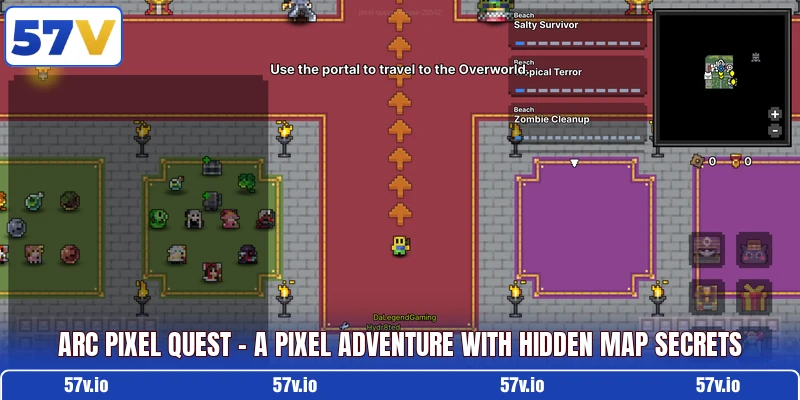
Arc Pixel Quest turns pixel movement into a sharp quest built around maps, timing, secret routes, plus steady upgrades. The game feels simple at first, yet each area asks for patient reading before progress. This article is written for arcade game readers at 57v, to help people understand its map logic, aimed at cleaner stage control.
Why Arc Pixel Quest stays popular
The appeal of Arc Pixel Quest comes from its direct rhythm, compact scenes, plus clear action cues. Each stage gives enough space to read danger without making the route feel empty or slow. This balance helps the quest stay easy to follow while still leaving room for skill.
- Clean pixel style: The visual layout keeps routes readable while small details help each stage feel distinct without heavy decoration.
- Tight movement rhythm: Jump timing, turn control, plus attack response create a steady pace that rewards careful hands.
- Map-based curiosity: Hidden paths, locked corners, plus strange markers make each area feel worth checking before moving forward.
- Balanced challenge: The game can punish careless moves, yet most mistakes feel readable after a short review.
- Upgrade purpose: New gear changes movement, damage, or survival in clear ways so progress feels connected to play.
Explore the map areas of Arc Pixel Quest 57v
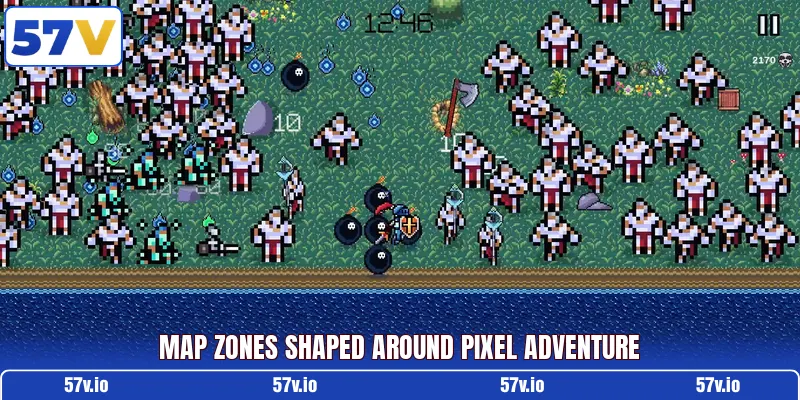
Each map area builds its own mood through terrain pressure, enemy placement, plus route shape. A strong reading of space helps every stage feel less random during longer runs.
Magical jungle in Arc Pixel Quest with small monsters
The magical jungle begins with soft colors, broken roots, glowing plants, plus narrow ground gaps. Small monsters appear near bushes or under branch shadows, so movement needs careful checking before each step. The area teaches early rhythm through short jumps, light attacks, plus quick stops near hidden corners.
Enemy behavior in this zone feels playful at first, yet it can punish rushed movement. Tiny creatures often move in curved paths, which makes straight running less safe across uneven ground. A steady player reads grass movement, sound cues, plus open space before choosing a cleaner route forward.
Secret items often sit behind leaves, raised roots, or weak-looking wooden walls. The jungle rewards slow inspection because many paths look decorative before the correct angle becomes clear. This early zone builds confidence while preparing the player for maps that demand stronger timing later.
Lava caves that test long jump control
The lava cave changes the mood with tight platforms, orange light, falling rocks, plus sudden heat vents. In Arc Pixel Quest, lava caves ask for longer jump commitment because hesitation can break landing rhythm. Each crossing feels sharper when the player watches platform distance before pressing forward.
Moving flames create pressure that does not rely on speed alone. Some gaps require a jump after the flame lowers, while others need early movement before the ground shakes. This structure keeps the cave tense without turning every mistake into a confusing moment.
View more: Iron Rift Arena – Tactical Weapon Rules And Arena Ranking
Useful rewards often appear close to dangerous routes, so risk reading becomes part of progress. A chest may sit beyond a heated bridge or near a wall that drops after impact. The cave feels fair when movement stays measured, since most hazards give a small warning before damage.
Dark tower where the final boss lives
The dark tower feels colder, taller, plus more severe than earlier stages. A late tower in Arc Pixel Quest often uses narrow stairs, moving shadows, plus guarded rooms to slow careless progress. This place works as a test of memory because repeated patterns begin to matter more.
Common enemies become tougher inside the tower, while traps appear closer to doorways. A player may need to pause before entering a room because the first step can trigger hidden movement. Careful pacing keeps the route stable when vertical travel starts mixing with enemy pressure.
The final boss area should feel earned rather than sudden. Earlier tower rooms teach dodge timing, attack distance, plus safe recovery space before the main fight begins. When those lessons connect, the last battle becomes a clear skill check instead of a random wall.
Abandoned city filled with countless treasure chests
The abandoned city creates a different kind of tension through silence, broken streets, locked shops, plus ruined towers. Arc Pixel Quest uses the abandoned city to slow the pace after harsher combat areas. Treasure chests appear often, yet many require smart route choices before they can be reached.
Some chests contain simple supplies, while others point toward upgrade materials or rare stage tools. The city makes searching feel meaningful because a missed alley can hide a shortcut or stronger item. This design keeps exploration active without forcing every corner to feel equally important.
Enemies in this area often hide inside buildings, near carts, or behind damaged walls. Their placement encourages careful entry instead of blind running through open streets. The abandoned city becomes memorable because reward hunting, route reading, plus light danger stay closely connected.
Upgrade rules in Arc Pixel Quest
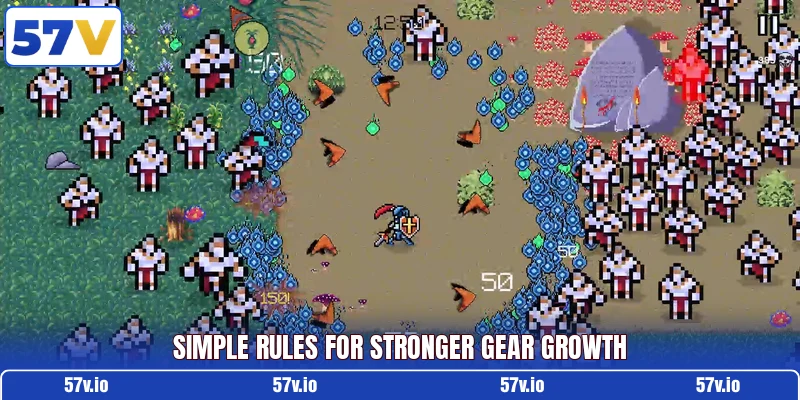
Gear upgrades in Arc Pixel Quest should feel like part of progress rather than a separate menu habit. Each rule works best when materials, stage needs, plus character limits stay clear. This structure helps upgrades support map reading instead of replacing skillful movement.
- Material check: Every upgrade should require visible materials from stages so progress feels tied to clear exploration.
- Level limit: Strong gear should stay locked until the character reaches the proper stage or record point.
- Stat clarity: Each item should show whether it improves damage, defense, jump control, or recovery timing.
- Cost balance: Upgrade costs should rise slowly so early progress remains readable without making later gear feel cheap.
- Duplicate handling: Extra copies of the same item should convert into useful parts instead of filling the bag.
- Failure rule: Failed upgrades should keep some value returned so one mistake does not erase too much progress.
View more Category: Arcade
Conclusion
Arc Pixel Quest works well because its maps, enemies, upgrades, plus secrets follow a readable arcade rhythm. Each area has a clear purpose, from jungle learning to tower pressure. For a smoother start with 57v, create an account when ready.
