

Iron Rift Arena frames steel combat through weapon timing, arena pressure, plus ranked outcomes. Its appeal sits in sharp decisions rather than loud effects. This article is written for arena game fans at 57v, to help them understand rift combat structure, aimed at steadier match reading.
Weapon attack categories in Iron Rift Arena
Weapon identity shapes every clash before the first strike lands inside a heavy arena setting. A strong loadout feels clearer when range, timing, pressure, plus defensive risk stay balanced.
Light blade with extreme close range damage
A light blade creates pressure through short movement, fast cuts, plus direct contact near the target. Its value rises when a fighter reads distance before rushing into danger. In Iron Rift Arena, this weapon rewards patience because careless entry can leave the user open after a missed swing.
Close range damage depends on rhythm more than raw speed during a crowded fight. A clean strike works best after the opponent wastes movement or turns toward another threat. The blade user needs steady footwork because sudden overextension can break spacing, reduce control, plus invite a counter from heavier weapons.
The strongest blade pattern uses small steps before a decisive hit at the correct angle. This keeps pressure active without turning each approach into a blind charge. When the arena narrows, the light blade becomes more dangerous because walls reduce escape paths while close contact becomes easier to force.
Electromagnetic rifle reach in Iron Rift Arena
An electromagnetic rifle controls distance through piercing shots that travel across open lanes. Its main strength appears when several targets line up during movement or retreat. The user must read direction carefully because a wasted shot can create empty space where pressure should have stayed active.
Long range fire changes the pace of battle because opponents must respect straight shooting paths. A sharp angle can punish stacked movement near metal cover or narrow exits. In this role, the rifle favors measured timing over constant firing because each shot should shape movement before damage becomes visible.
The rifle becomes harder to handle when the arena turns chaotic near the center. Fast opponents can break sightlines by shifting behind cover or forcing close contact. A calm user protects distance first, then chooses shots that pass through clustered targets without losing awareness of side threats.
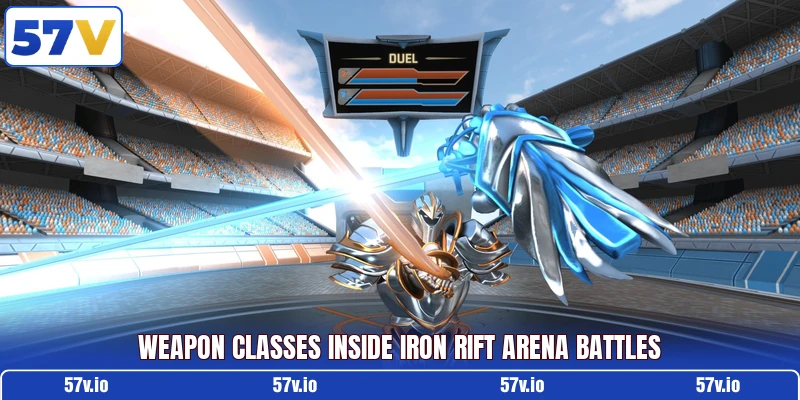
Energy shield that blocks incoming attacks
An energy shield gives defensive control when attacks arrive from several directions at once. It helps slow the pace while the user studies movement around the arena. In Iron Rift Arena, the shield works best as a timing tool rather than a permanent hiding place during pressure.
View more: Void Pulse Run – Dark Rhythm Across Cosmic Hazard Fields
Blocking every attack sounds simple, but shield value still depends on angle, charge, plus recovery. A poor stance can waste protection while leaving the user trapped near a corner. Strong defense requires small movement after each block so incoming pressure does not turn into a full surround.
The shield also supports counterplay when opponents spend too much force against the barrier. After absorbing pressure, the user can step into safer space or set up a teammate style attack pattern. This makes the shield useful for survival, but its power drops when timing becomes passive.
Magnetic bomb that disables enemy systems
A magnetic bomb creates disruption by interrupting hostile systems before direct damage takes over. Its impact becomes clear when movement tools, shields, or firing patterns stop at the wrong moment. In Iron Rift Arena, this weapon suits planned pressure because random throws often waste its strongest control effect.
Placement matters because the bomb controls space before it changes the fight outcome. A well timed throw can split a group or force one target into a weak path. The user should avoid predictable launches since alert opponents can move early, bait the throw, then punish the recovery window.
This weapon feels strongest when combined with clear reading of arena flow. It does not need constant use because one accurate disable can shift control across a full exchange. After the system break lands, fast follow up matters because delayed action gives enemies time to reset their tools.
Win loss rules in Iron Rift Arena
Match results need stable rules because arena combat can become unclear during fast exchanges. Iron Rift Arena separates victory through survival status, system control, plus confirmed scoring records. These rules keep each result easier to review when attacks, blocks, disables, plus ranked pressure happen together.
- Final standing: The last active fighter receives the win when all other entries lose combat status through confirmed arena conditions.
- System shutdown: A fighter can lose when core functions stop responding long enough for the match record to confirm defeat.
- Score lead: Timed rounds can end through a higher verified score when no complete elimination happens before the clock stops.
- Rule breach: Unsafe movement outside the permitted arena boundary can trigger defeat when the official match record confirms the breach.
- Review record: Every result should match the final log so damage, disable time, plus survival status remain traceable.

Arena ranking system in Iron Rift Arena
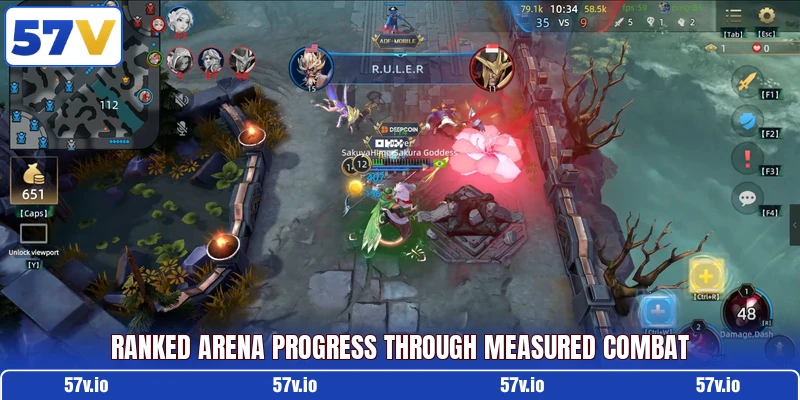
Ranking turns repeated matches into a clearer measure of arena strength over time. Iron Rift Arena uses results, consistency, plus match quality to separate short streaks from real progress. A fair ladder should value clean wins while still reading loss patterns with enough context.
- Entry tier: New fighters begin in a lower bracket so early results can measure basic control before stronger opponents appear.
- Promotion mark: A fighter moves upward after several verified wins that show stable weapon use across different match conditions.
- Demotion risk: Repeated losses against similar ranks can lower standing when the record shows weak recovery or poor system control.
- Streak value: Consecutive wins can raise ladder speed, but only when match quality supports the result record.
- Seasonal reset: A fresh cycle can adjust ranks so old results do not control the arena ladder for too long.
View more Category: Arcade
Conclusion
Iron Rift Arena works best when its weapons, result rules, plus ranking logic are read as one connected arena structure. Each system supports cleaner judgment because combat power alone cannot explain every outcome. Create an account at 57v with a calm mindset, then follow each match carefully.
