
Iron Rift Arena frames steel combat through weapon timing, arena pressure, plus ranked outcomes. Its appeal sits in sharp decisions rather than loud effects. This article is written for arena game fans at 57v, to help them understand rift combat structure, aimed at steadier match reading. Weapon attack categories in Iron Rift Arena Weapon identity […]
Arcade 57v – Sharp Game Flow For Cleaner Session Reading Plan
Arcade play feels direct because each round asks for timing, screen reading, and measured action. Short sessions can still reveal rhythm, risk, and reward shape. This article is written for 57v game visitors, to help them understand fast play halls clearly, aiming to build steadier session judgment.
Why the arcade section attracts more attention than other sections
Fast game sections attract attention because they make rules visible in a short time. The pace supports quick reading while still leaving room for careful choices. A balanced arcade section feels different from slower categories because movement, timing, and result checking stay close together.
- Short round flow: Each session can finish quickly, so the player can review mistakes before focus begins to fade.
- Clear screen action: Visual movement gives immediate signals, which makes target choice easier to compare after each result.
- Flexible cost control: Smaller rounds can be managed with steady limits, so sudden pressure does not control the session.
- Varied rhythm: Speed changes keep the screen active, yet the best decisions still come from calm observation.
- Simple result reading: Wins and missed actions appear through direct screen feedback, which makes later review more practical.

Game types highlighted in the arcade hall at 57v
Game selection works best when each title has a clear pace and visual purpose. A focused layout helps different play moods stay separate without making the hall feel scattered.
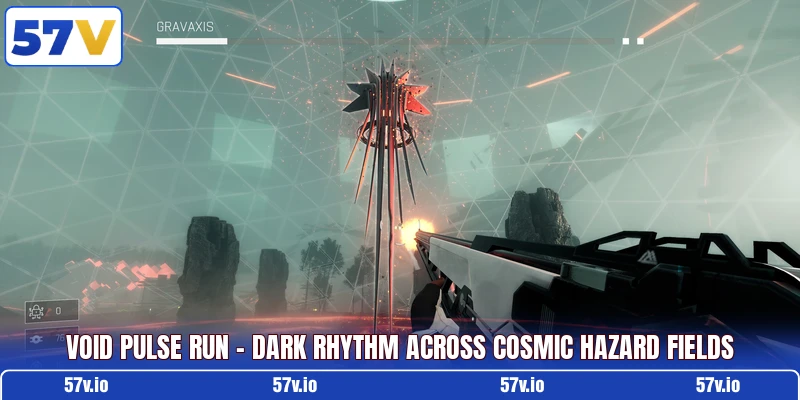
Void Pulse Run
Void Pulse Run works around narrow timing lanes where movement feels simple at first glance. The screen often rewards patient aiming because rushing can break rhythm before a clear target path appears. A steady pace helps each round stay readable even when pulse effects begin changing speed across later targets in view with clearer timing control.
Each route feels stronger when the player watches direction before spending stronger shots. The safest reading often starts from the outer lane because central movement can shift after a sudden pulse. This pattern keeps the round from turning into blind tapping during a busy wave with less wasted pressure over time through the full round.
Reward checks should follow visible results rather than guesswork after the screen settles. A missed target can still teach useful timing because its route shows when pressure became too high. Careful review after each short run makes later choices feel less random during another fast session cycle for play without forcing the pace now.
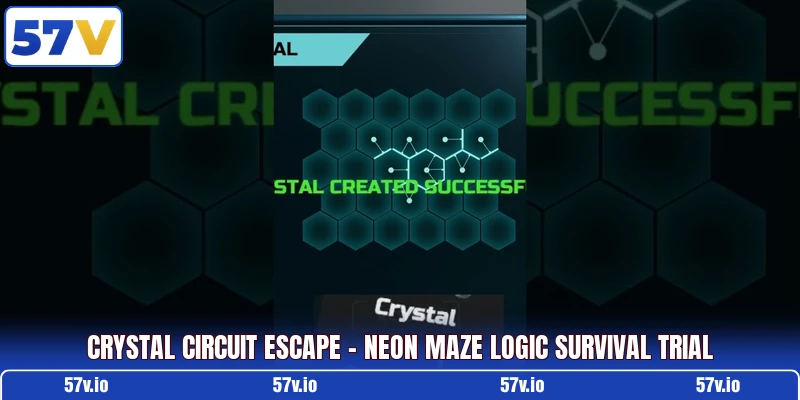
Crystal Circuit Escape
Crystal Circuit Escape uses glowing paths that can confuse timing when several marks overlap. A clean arcade reading starts with route order before any stronger action is taken. This helps the player separate decorative motion from the actual lane that controls reward movement during quick escape turns on screen with calmer visual judgment.
Short escape rounds can feel fast because targets leave the screen before full planning feels possible. The best approach is to treat each circuit turn as a signal rather than a decoration. A calm shot pattern protects the session from spending too much on unclear movement during crowded route changes ahead before the next turn.
View more: Lottery 57v – Fair Draw Rules For Clear Number Play
Scoring should be checked after the route closes because some results appear later than expected. A circuit may look complete while the reward still depends on final contact timing. This habit keeps the player focused on confirmed records instead of screen noise after each short escape path closes when the round ends clearly.
Storm Arcade Mission
This game leans on pressure waves where target speed can rise without warning. The arcade style becomes more readable when each wave is treated as a separate task. A player can slow decisions by watching the first movement before choosing shot strength during heavy mission pressure on screen with better screen control.
Mission rounds often feel tense because several targets cross the same space at once. Clear aim matters more than constant action when storm effects cover weak visual clues. A short pause after each missed mark can reveal whether timing or target choice caused the loss during crowded screen moments inside the same short round.
Result review should include wave order because later targets may have different value behavior. Some missions reward steady control across the full screen instead of sudden high cost shots. This makes the round easier to evaluate after motion fades and final records become easier to read later after the final wave clearly now.
Arc Pixel Quest
Arc Pixel Quest feels lighter in tone because its visual style uses simple blocks and sharp paths. The arcade rhythm still needs careful reading because small pixel movement can hide late turns. Stable timing matters when several icons change direction near the edge during tighter quest sequences in view with steadier session control.
Quest rounds often work best when the player follows one path instead of chasing every moving mark. A fixed focus keeps the screen cleaner during crowded moments. This method also reduces mistakes caused by switching targets before any route becomes certain near the closing seconds of play without breaking visual focus during play.
Reward notes should match the visible path because pixel effects can make weak hits look stronger. A confirmed result matters more than a bright animation after the round ends. Careful tracking builds a clearer sense of which routes deserve more attention during later quest attempts in play after the final route with care.
Unbeaten habits for playing arcade at 57v
Strong habits matter because fast games can punish rushed choices within a few seconds. Better control begins with rhythm, limit awareness, and honest result review after every short session.
- Start with observation: Watch the first cycle before spending higher cost because early movement usually reveals the safest rhythm.
- Keep cost stable: A steady arcade plan prevents sudden jumps that can distort judgment during pressure moments.
- Read one target lane: Following a single route reduces confusion when several icons cross the same part of the screen.
- Pause after misses: Short breaks help separate timing errors from poor target selection before the next round begins.
- Review confirmed results: Final records matter more than bright effects because screen animation can make weak hits look larger.

Conclusion
A good arcade session is built from timing, cost control, and careful screen reading. Fast rounds should feel clear enough to review after every result. At 57v, create an account only when the rules feel readable and the pace suits personal control.
30
Jun
Jun
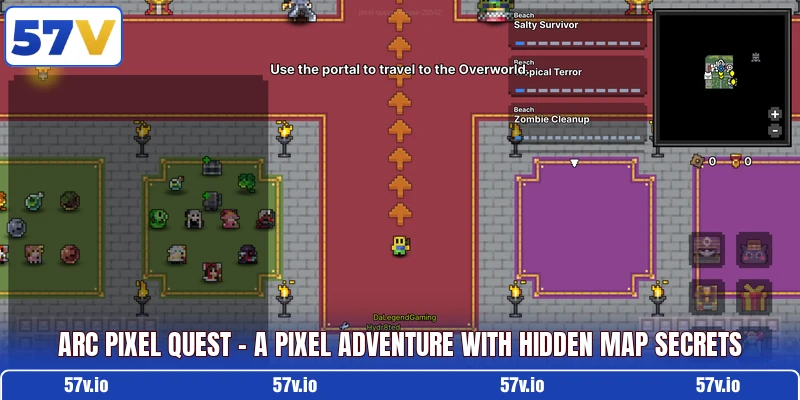
Arc Pixel Quest turns pixel movement into a sharp quest built around maps, timing, secret routes, plus steady upgrades. The game feels simple at first, yet each area asks for patient reading before progress. This article is written for arcade game readers at 57v, to help people understand its map logic, aimed at cleaner stage […]
30
Jun
Jun
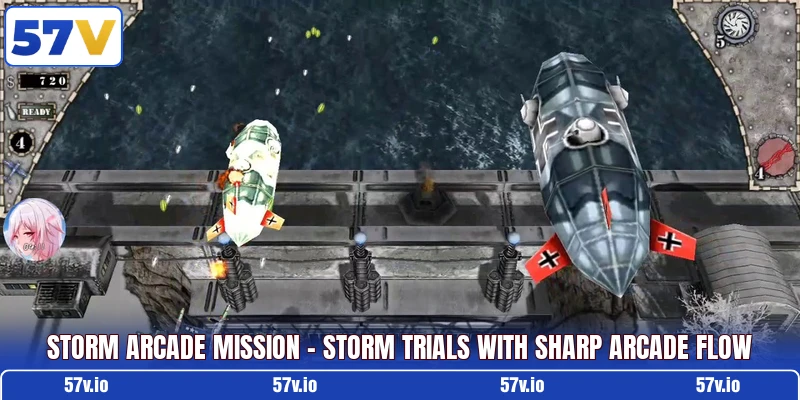
Storm Arcade Mission shapes a tense arcade route where storm pressure controls movement. Each stage depends on timing target order plus calm route reading. This article is written for arcade mission readers at 57v to help them understand storm stage rhythm aiming to read routes with steadier timing. General view of the arcade feature in […]
30
Jun
Jun
Crystal Circuit Escape frames a neon maze around timing, route memory, plus crystal control. Each room feels tense because every turn can change the plan. This article is written for arcade puzzle players at 57v to help them understand maze timing around this title aimed at cleaner route choices. Puzzle maze mechanism in Crystal Circuit […]
30
Jun
Jun
Void Pulse Run turns a cosmic route into an arcade run shaped by pulse timing. Each stage feels sharper when obstacle reading stays calm instead of rushed. This article is written for arcade runners at 57v to help them understand hazard rhythm, aimed at building steadier route choices. Obstacle system in Void Pulse Run Obstacle […]